
Practical writing on purchase orders, reconciliation, monitoring and workflow automation — written for the teams doing the work, not for search engines.
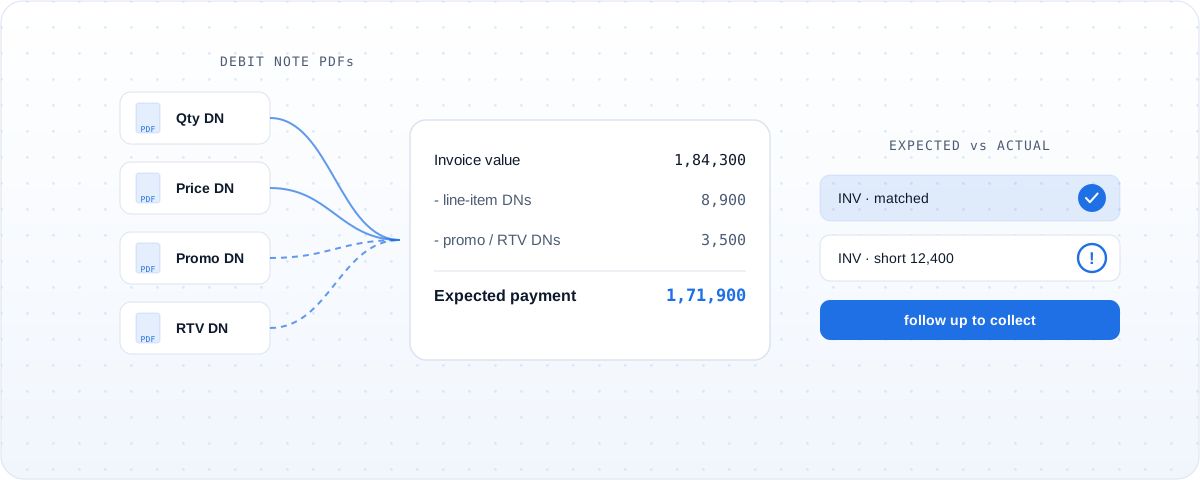
Compute expected Zepto payment per invoice as it settles, read the DN PDFs, and map promo/RTV notes correctly.
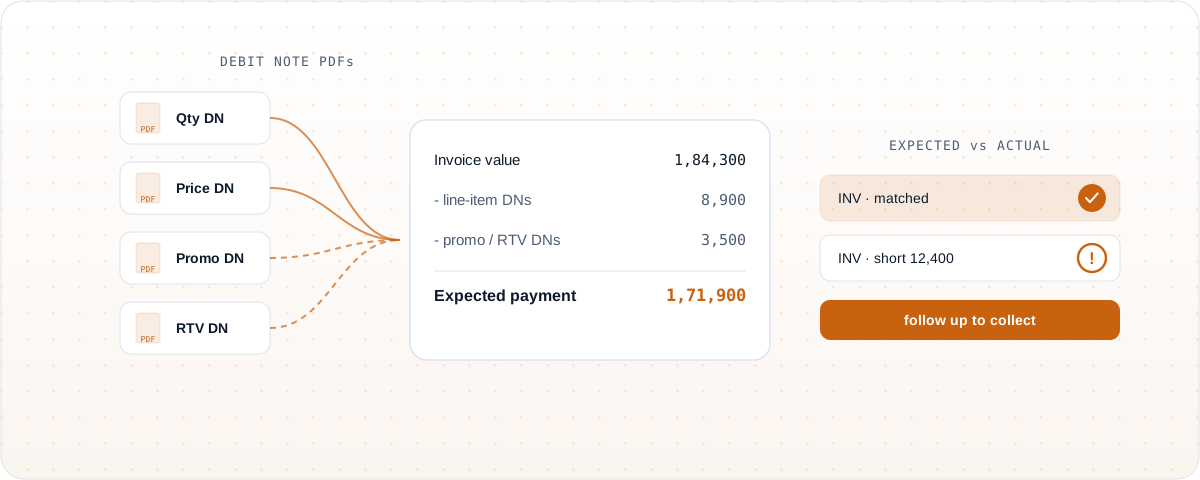
Reading Instamart DN PDFs, mapping promo/RTV notes to invoices, and computing expected vs actual payment.
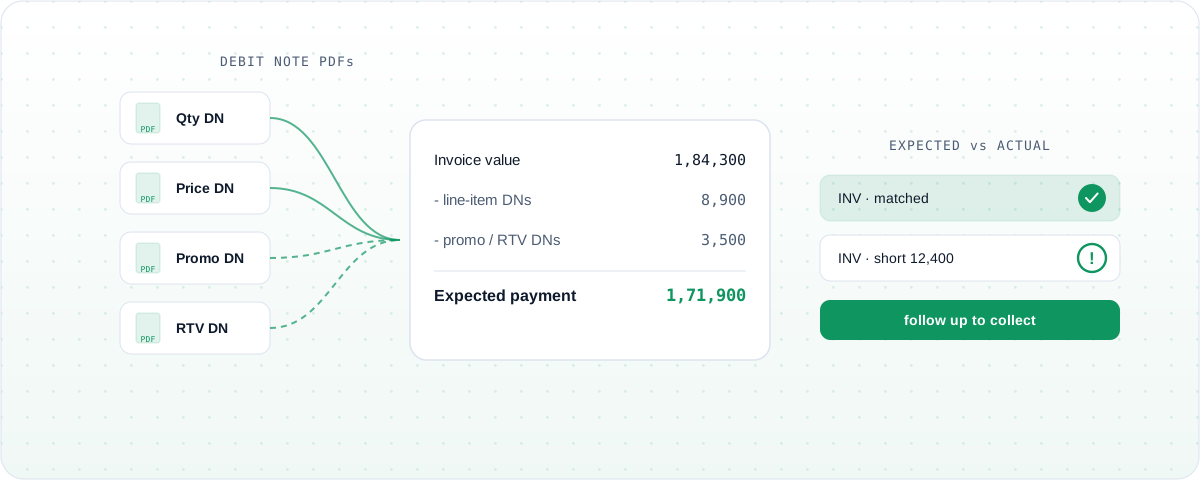
Compute what Blinkit should pay per invoice after DNs, read the DN PDFs, and map promo/RTV notes to the right invoice.
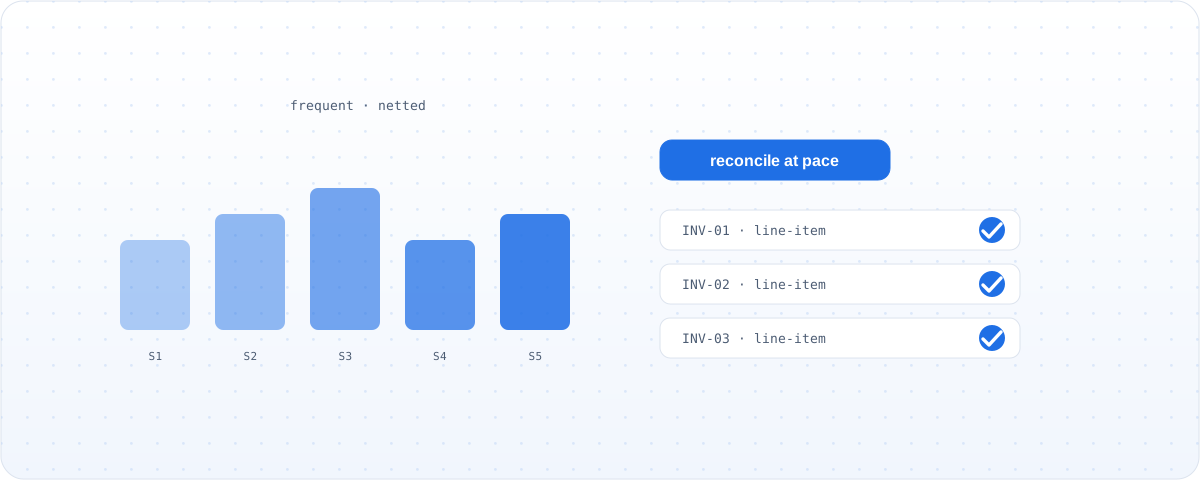
Zepto settlements are fast, frequent and netted. That cadence is a good thing for cash — but it means deductions accumul
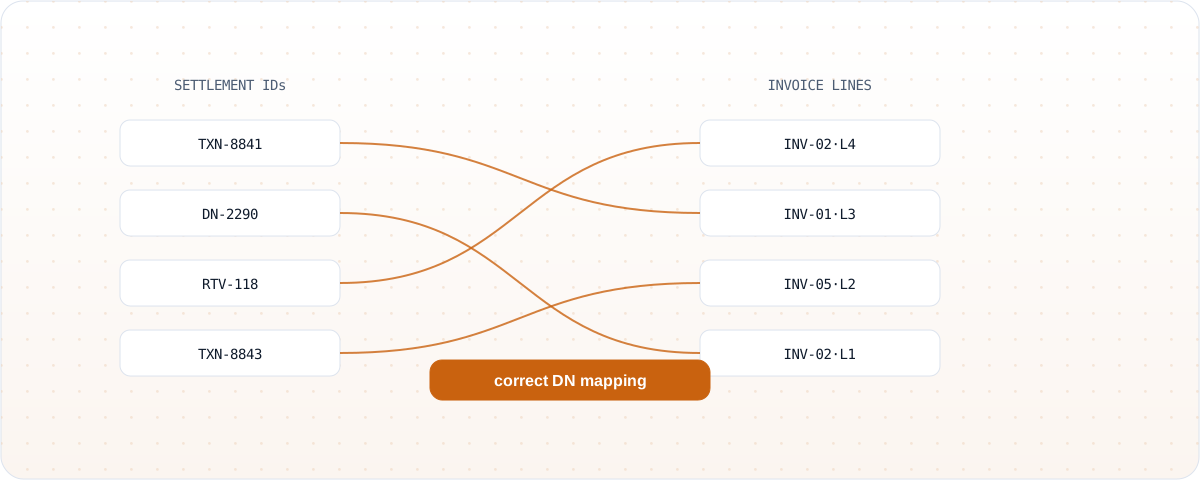
Instamart reconciliation is a mapping problem before it is a finance problem. The money arrives net of deductions, on a
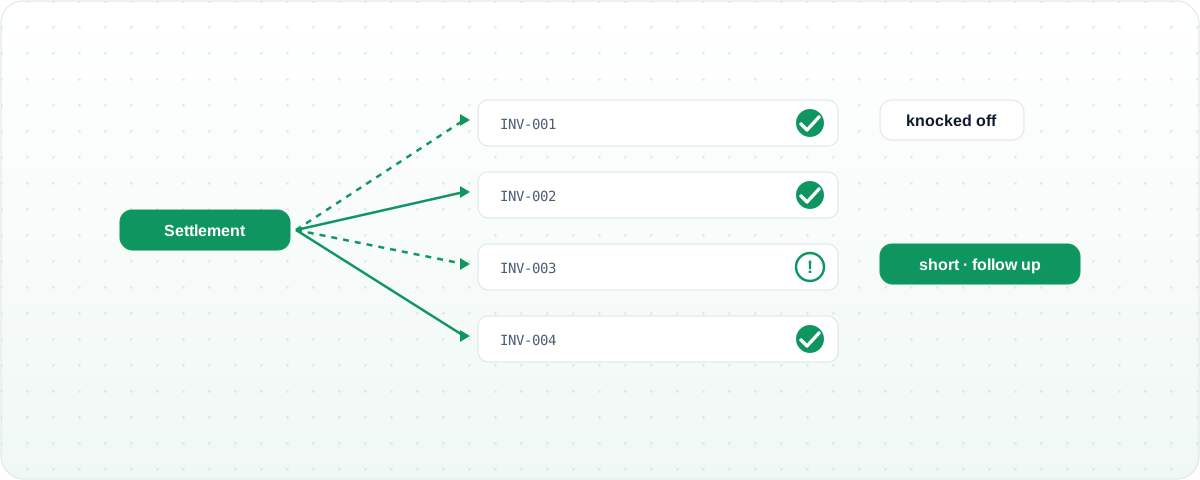
Blinkit pays you two different ways depending on the model, deducts through a stack of debit notes, and settles on its o
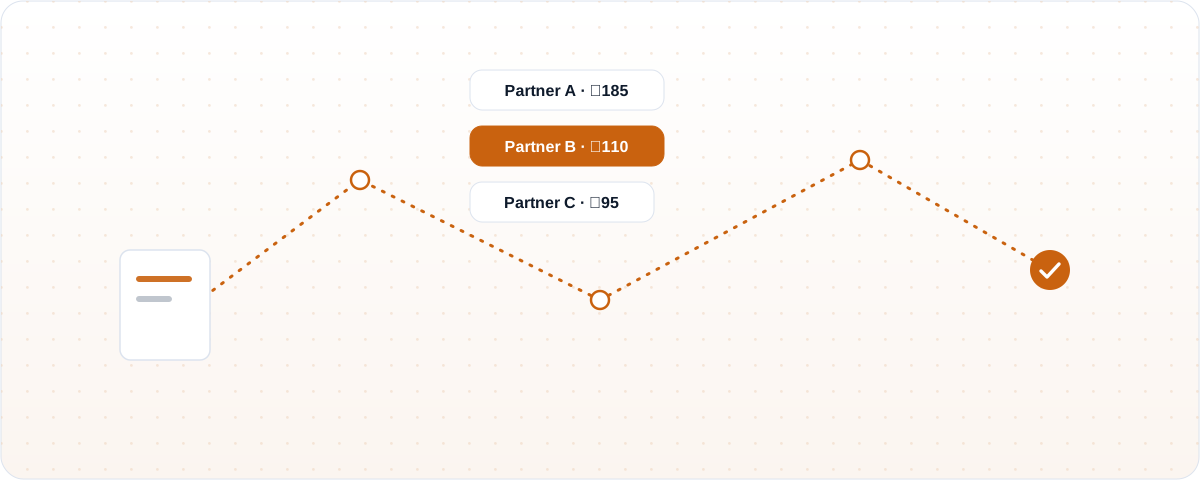
Most brands dispatch on habit. A recommendation workflow scores every option on observed delivery time and landed cost,
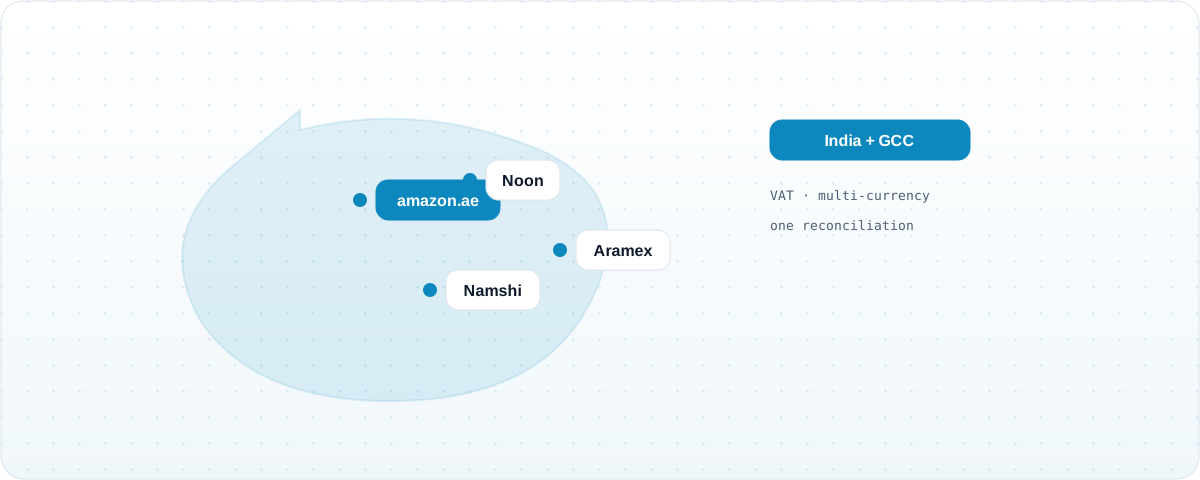
The commercial case for Noon, Namshi and amazon.ae is usually straightforward. The operational assumptions you carry ove
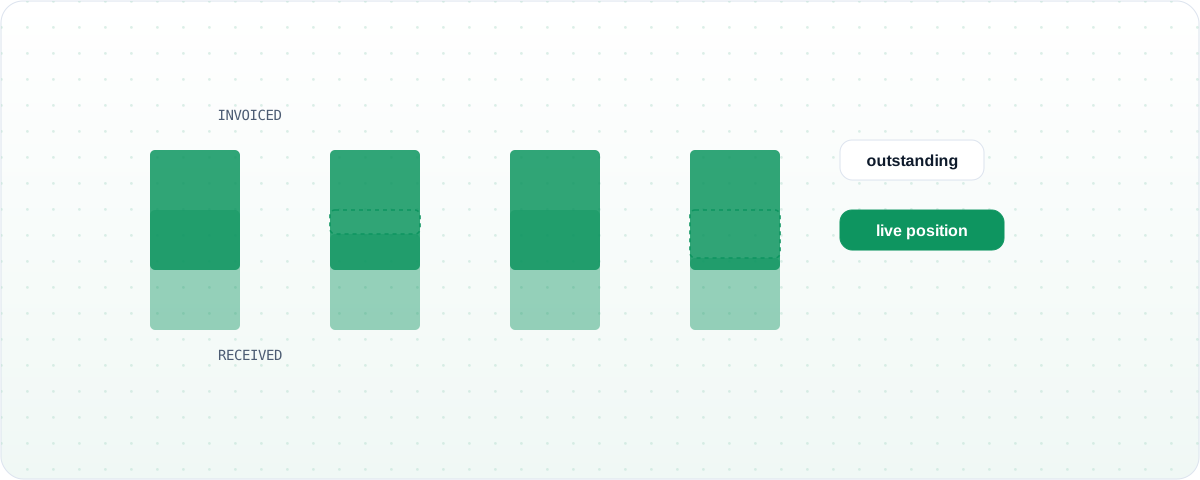
Month-end is a reporting cadence, not an operating one. If your first accurate view of receivables arrives on the fifth
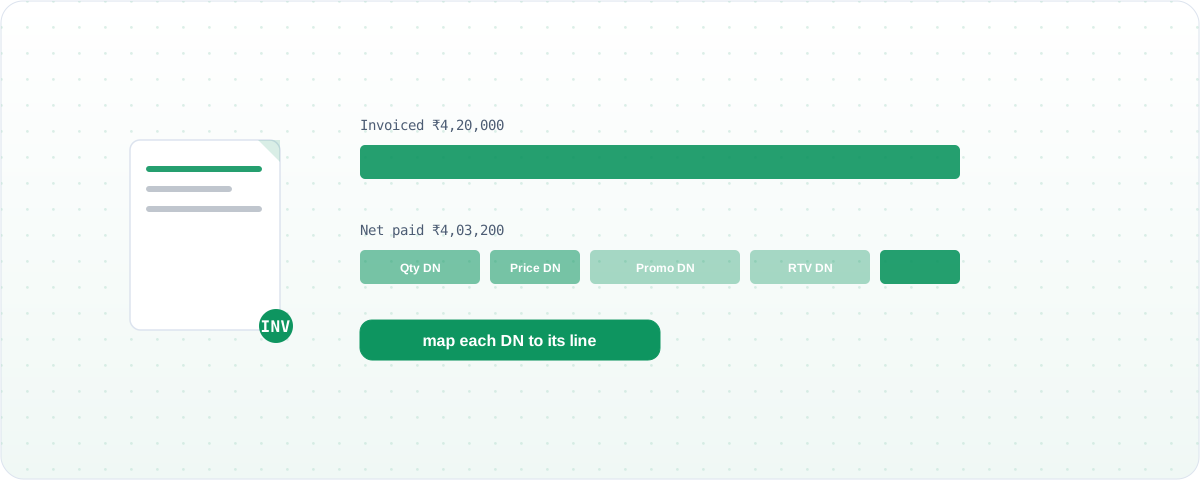
Deductions are not fraud and they are not all disputable. Knowing which category you are looking at, and what evidence i
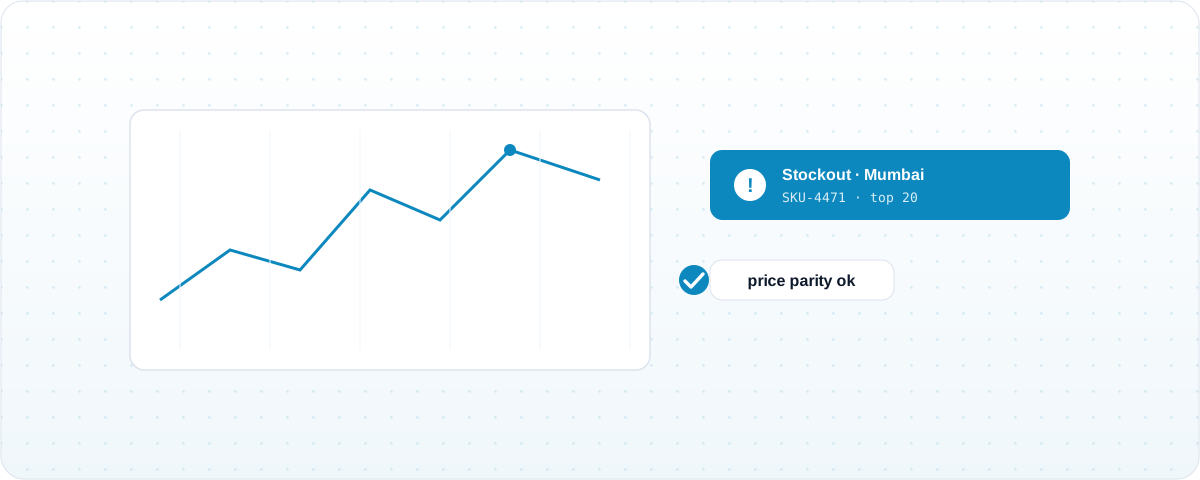
The hard part of monitoring is not detection. It is deciding what deserves a notification at two in the afternoon and wh
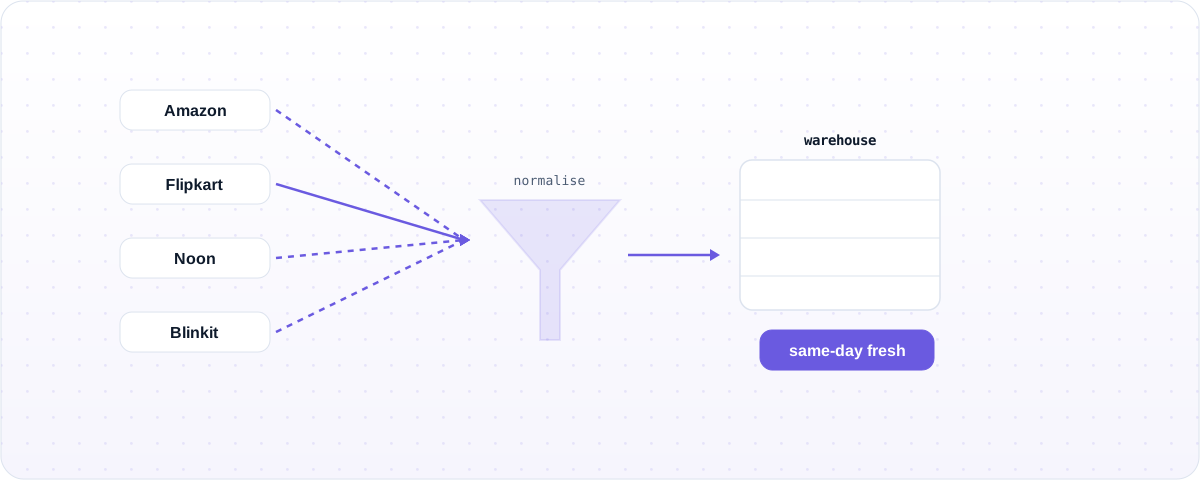
Getting orders, ads, settlements and inventory out of twenty portals is the easy part. Making them agree with each other
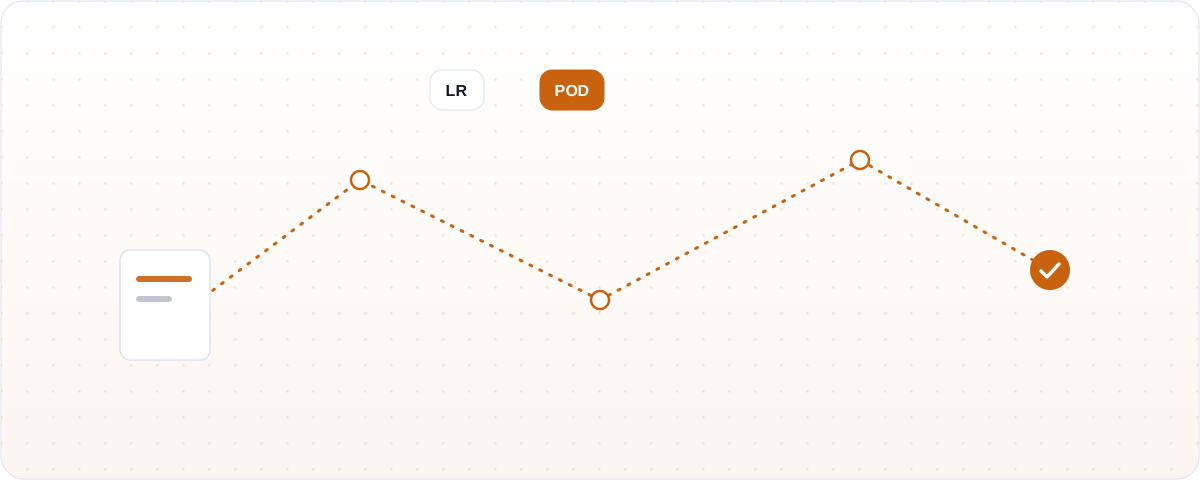
Carrier data is the missing half of most reconciliation setups. Pulling LRs and PODs automatically is unglamorous work t
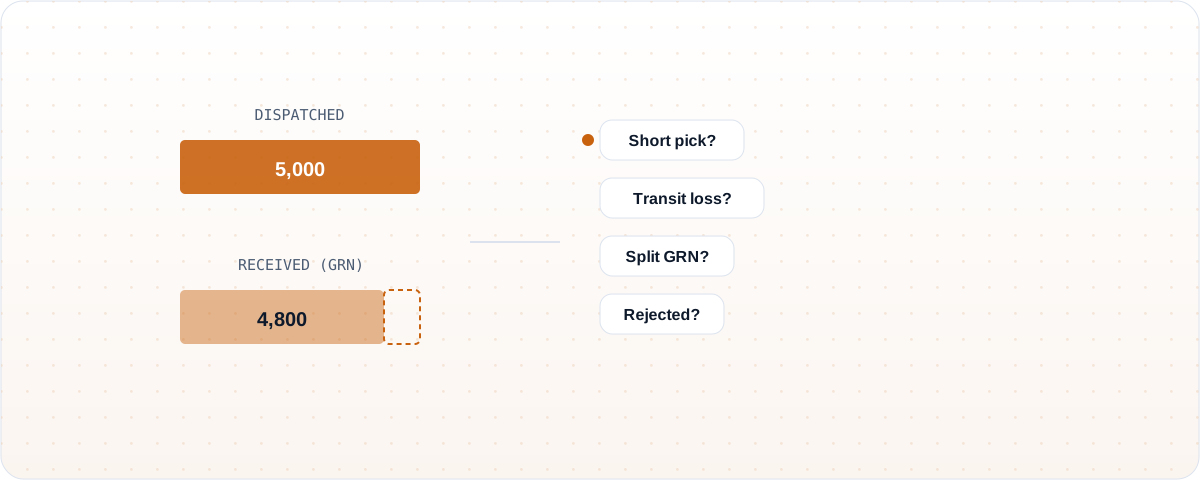
You shipped 5,000. The GRN says 4,800. Before you raise a debit note, work out which of five places those 200 units went
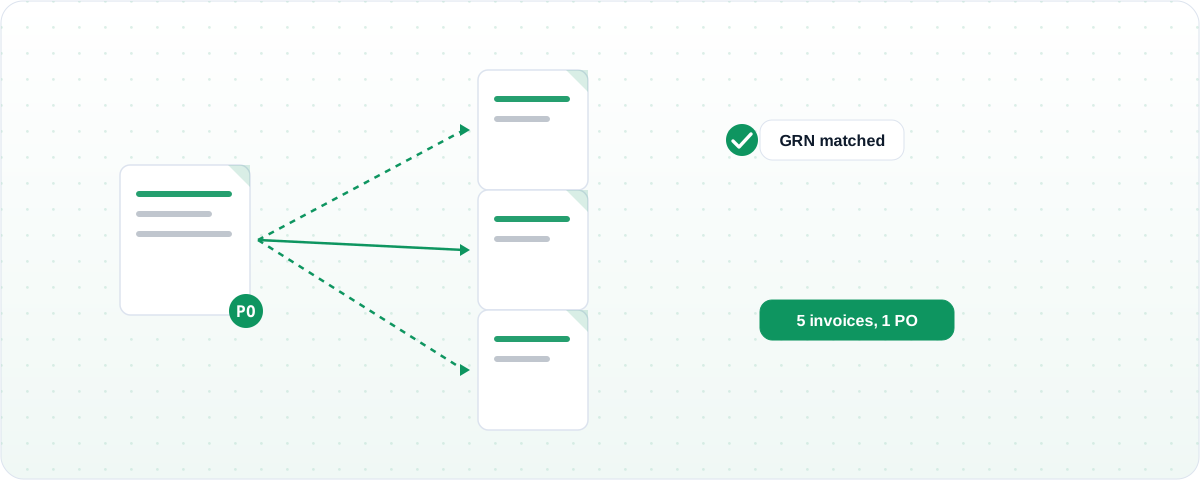
A single purchase order rarely produces a single invoice. Here is why that happens, what it breaks downstream, and how t
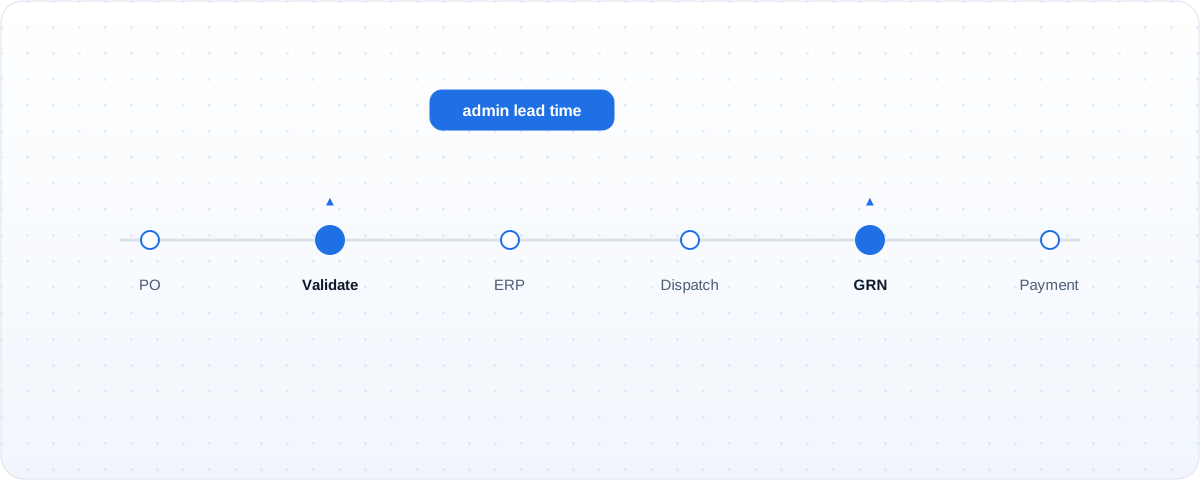
Order to cash is not one delay. It is seven small ones stacked end to end, and only two of them are usually worth fixing
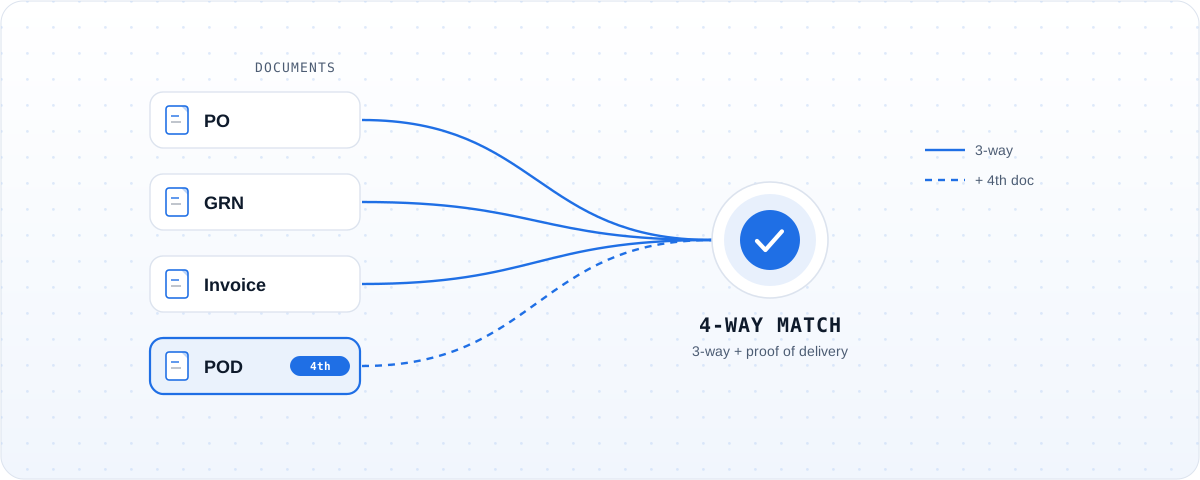
Three-way matching is standard. Four-way is where the money is — but the fourth document depends entirely on whether you
See Datavio on your own POs, ERP and marketplaces.